

For decades, the political identity of the Lango sub-region was inseparable from the Uganda People’s Congress (UPC) and the towering legacy of its founding father, Dr Apollo Milton Obote.
Voting UPC was not merely a political act; it was an expression of history, memory, and regional pride—passed down across generations.
But the 2026 parliamentary and presidential elections have exposed how far that legacy has weakened and how internal contradictions within UPC have accelerated its decline.
The election cycle revealed a fundamental disconnect between UPC’s national leadership and its grassroots mobilisation in Lango.
While UPC president Jimmy Akena repeatedly urged voters in the region not to support President Yoweri Museveni, several senior UPC figures on the ground openly campaigned for the incumbent.
Former Oyam South Member of Parliament Isha Otto Amiza says this contradiction fatally undermined the party’s credibility.
“The message UPC was giving to the people of Lango was not clear,” Amiza explains. “While Akena was loudly telling people not to vote Museveni, senior UPC leaders who had constituencies and influence were doing the exact opposite.”
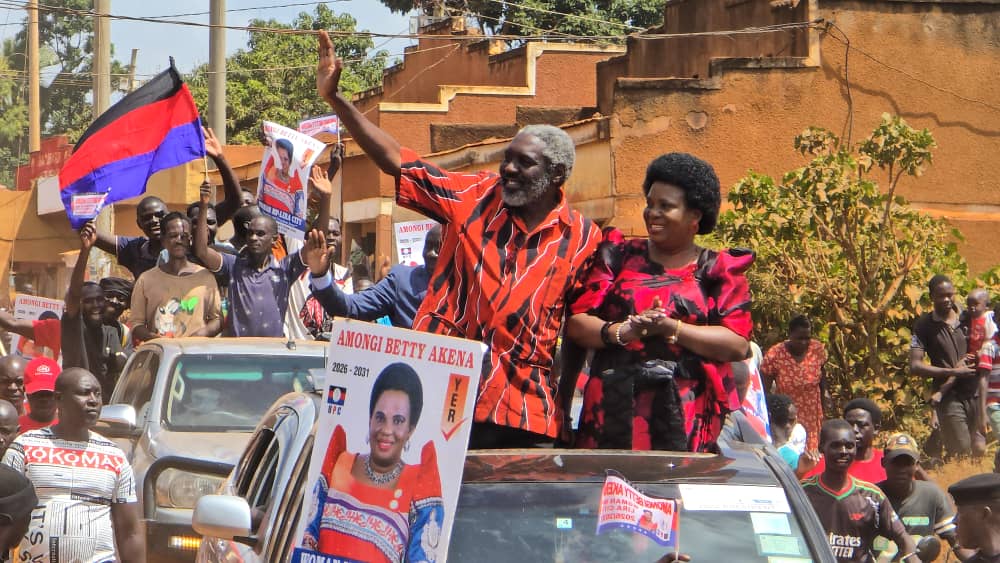
Amiza points to prominent UPC figures, including Gender Minister Betty Amongi, Santa Alum Ogwang, Maxwell Akora, and others, who publicly mobilised voters to support Museveni. At the regional level, UPC auxiliary leaders were reportedly embedded in Museveni’s campaign taskforce across Lango.
To voters, he argues, the mixed messaging created confusion and eroded trust.
Praise for Museveni from Within UPC Ranks
Some UPC leaders defend their support for Museveni as pragmatic rather than ideological.
Alex Oremo Alot, a UPC elder, says the President’s continued engagement with Lango shaped voter sentiment.
“President Museveni has shown consistency in leadership and a willingness to engage with the people of Lango,” Oremo says. “Despite political differences, he has continued to visit the region, listen to local leaders, and commit resources toward development.”
Santa Alum Ogwang, Woman MP for Oyam District on the UPC ticket, argues that supporting Museveni was about continuity and stability.
“President Museveni remains the most experienced leader to steer the country at this critical time,” Alum says. “His government has prioritised peace and service delivery, and as leaders, we must support what works for our people regardless of party affiliation.”
While such positions appealed to some voters, critics argue they hollowed out UPC’s identity from within. Amiza insists that Obote’s legacy still carries moral and historical weight in Lango—but only when defended consistently.
“Obote’s legacy stands for servant leadership and national service,” he says. “That legacy put Lango on Uganda’s political map. But you cannot carry that name while campaigning against what it stood for.”
The contradiction, he argues, stripped UPC of its moral authority and left voters unsure whether the party still offered a meaningful alternative.
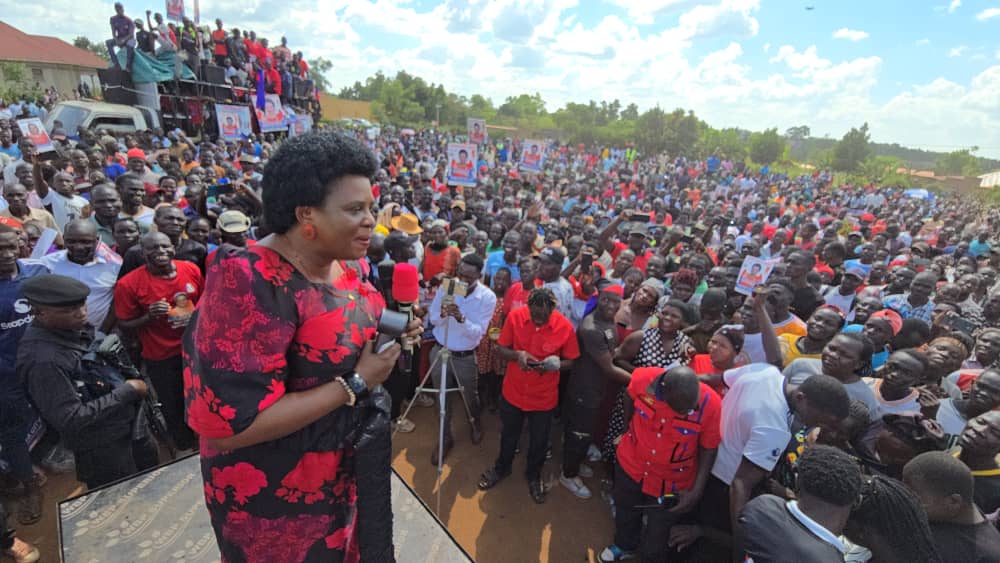
The defeat of Gender Minister Betty Amongi in Lira City—ending a 25-year political reign in the region—has become emblematic of UPC’s decline. Once a UPC stronghold held by Jimmy Akena and allied figures, Lira City has now largely swung to the National Resistance Movement (NRM).
Former party loyalists say the loss did not weaken NRM but consolidated its grip on the city, leaving UPC with only a marginal presence.
Patrick Ogwang, a long-time UPC supporter, says the party relied too heavily on Obote’s legacy and family leadership without renewing its organisational strength.
“The impact of Obote’s legacy on this election was minimal,” Ogwang says. “People voted for individuals, not the party.”
Analysts also point to UPC’s failure to field a presidential candidate in the 2026 elections as a strategic blunder that left the party directionless nationally. Without a clear flag bearer, many UPC aspirants pragmatically aligned with Museveni, calculating that proximity to power mattered more than party loyalty.
“When leaders start supporting another party’s presidential candidate, it reduces competitiveness and destroys regional influence,” Ogwang says.
The presidential and parliamentary elections also highlighted a broader shift in Lango’s political culture—from ideology to survival. Poverty, unmet post-war compensation, land disputes, and crumbling infrastructure have made voters more susceptible to transactional politics.
“For the first time, people told me openly, ‘If you don’t give us money, we won’t vote you,’” Amiza recalls.
In such an environment, UPC’s fragmented message stood little chance against the ruling party’s financial muscle and logistical reach.
As Uganda’s politics increasingly tilt toward pragmatism and patronage, UPC faces an existential question: can it evolve beyond Obote’s shadow without abandoning it?
